Filter By
Urban SDK Joins Government Technology’s AI Council to Help Shape the Future of AI in the Public Sector
We’re proud to announce that Urban SDK has officially joined the AI Council, part of Government Technology’s Center for Public Sector AI

Collision Index: Proactive Traffic Safety Powered by AI
Communities now have another layer of road safety thanks to Urban SDK’s Collision Index
University of Florida Transportation Institute Partners with Urban SDK to Expand I-STREET Program
Urban SDK and the University of Florida have partnered to expand the university's I-STREET Program
Urban SDK Unveils Delay Data, Route-Building Capabilities
Urban SDK has released a new suite of products that further enhance its traffic management software.
Creating Safer Streets: Exploring the World of Traffic Calming
Innovative strategies and successful examples of traffic calming initiatives

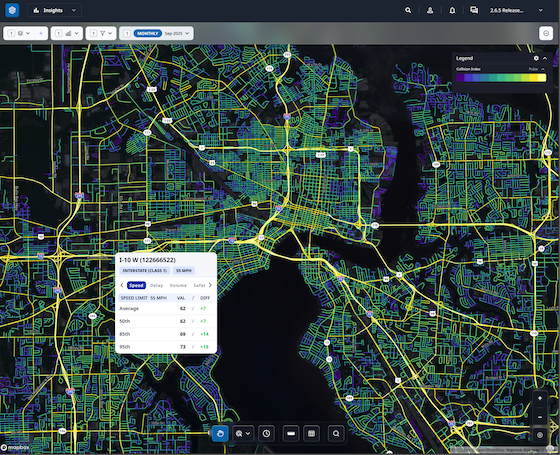
Urban SDK Raises $65M Growth Round from Riverwood Capital to Scale AI-Powered System of Action for Local Governments, Transforming Public Safety and Service
Funding Accelerates Expansion of Geospatial AI Technology, Helping Cities Efficiently Respond to Critical Safety Concerns

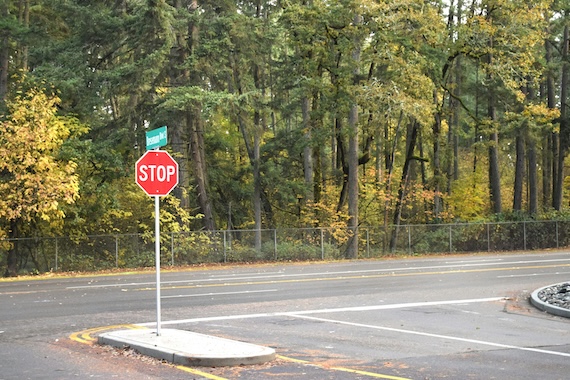
How Cities Can Use Traffic Volume Variability to Evaluate Stop-Control Warrants
Cities use traffic volume and continuous data to assess stop-control warrants, prioritize requests, and make decisions with Urban SDK.

Comparing Ways to Collect Data: GPS, Sensors, Crowdsourced, and Manual Counts
How cities collect mobility data using manual counts, fixed sensors, GPS, and crowdsourced methods to give better traffic insights

Average Daily Traffic (ADT) vs. Annual Average Daily Traffic (AADT)
Understand the difference between Average Daily Traffic (ADT) and Annual Average Daily Traffic (AADT)

Traffic Counts & Reports: How Agencies Track Road Usage
Discover how agencies collect traffic counts and publish reports to track road usage

Traffic Volume Data Collection Methods: Manual vs. Automated
Learn the pros and cons of manual vs. automated traffic volume data collection
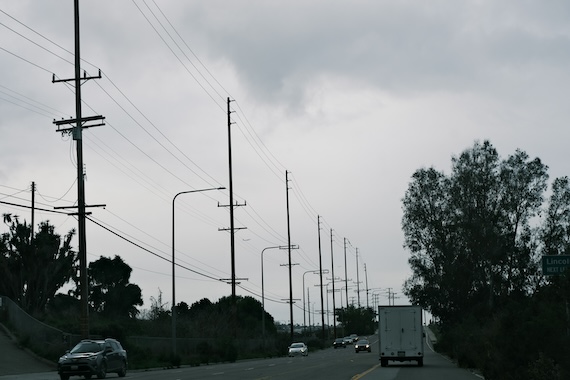
Traffic Volume by Time of Day: Peak Hour Patterns & Planning Insights
Traffic volume data helps agencies analyze peak-hour patterns, reduce congestion, and plan smarter

Traffic Volume: What It Means, How It’s Measured, and Why It Matters
Learn what traffic volume means, how it’s measured, and why it matters for planning, safety, and policy

Traffic Volume by Street: Why Location-Specific Data Matters
Discover why street-level traffic volume data matters for safety, congestion, and planning
Get 30 days free
traffic data in any city
See just how quick and easy it is to identify speeding, address complaints, and deploy officers.
Request access